Unlocking Federal Grants: 3 Key Strategies for Public Schools in 2026

Advertisements
Federal Grants for public education are expanding through new 2026 competitions focused on school safety, educator development, charter schools, and student achievement. The Education Department directs applicants to Grants.gov as the definitive source for open and upcoming opportunities.
Recent opportunities include a $100 million program supporting K–12 achievement and $19 million in anticipated Impact Aid funding for school construction. Eligibility, award amounts, matching requirements, and deadlines vary significantly by program.
School districts should monitor Grants.gov notices, revised deadlines, federal funding availability, and changing agency priorities. Preparing registrations, partnerships, evidence-based proposals, and financial documentation early can improve readiness for competitive Federal Grants.
Navigating the Federal Funding Landscape for Public Schools
Public schools nationwide are increasingly reliant on external funding sources to bridge budget gaps, implement innovative programs, and address the diverse needs of their student populations. Federal Grants represent a substantial portion of this external support, offering pathways to enhance everything from special education services to STEM initiatives.
However, the process of identifying, applying for, and successfully managing these grants can be complex and highly competitive. Districts must develop sophisticated strategies to navigate the bureaucratic intricacies and demonstrate a clear alignment with federal priorities.
The upcoming 2026 fiscal year brings with it new appropriations and revised guidelines, necessitating a proactive and informed approach from school administrators. Staying ahead of these changes is crucial for maximizing the potential for federal grants public schools can obtain.
Strategy 1: Proactive Planning and Needs Assessment
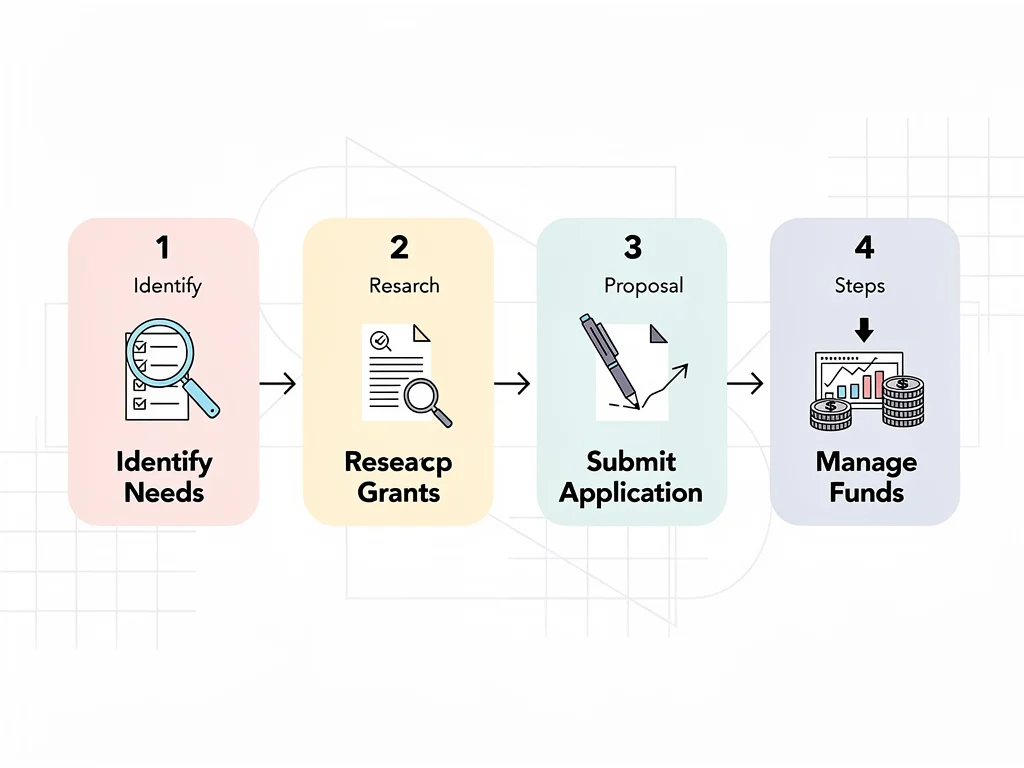
Successful grant acquisition begins long before an application is submitted; it demands meticulous proactive planning and a thorough needs assessment. Schools must first clearly define their most pressing educational needs and how federal funding can specifically address them.
This involves comprehensive data analysis, stakeholder engagement, and a clear vision for program implementation and student outcomes. A well-articulated need forms the bedrock of a compelling grant proposal.
Districts that excel in this area often have dedicated grant teams or personnel who continuously monitor federal priorities and align them with local educational goals. This foresight is critical for securing Federal Grants public schools seek.
Identifying Core Educational Needs
Before seeking funding, every public school district must conduct an in-depth analysis of its current educational landscape. This includes examining student performance data, demographic shifts, existing program efficacy, and infrastructure requirements.
Understanding these specific needs allows districts to target grants that directly align with their most critical areas for improvement or expansion. For example, a district with a growing population of English language learners might prioritize grants focused on bilingual education resources or professional development for ESL teachers.
- Analyze student achievement data across all subgroups.
- Assess existing program effectiveness and identify gaps.
- Conduct surveys and focus groups with stakeholders.
- Evaluate infrastructure and technology needs for modern learning.
Without a clear understanding of where funds are most needed and how they will be utilized, even the most well-intentioned grant applications can fall short. This foundational step is indispensable for schools aiming to secure Federal Grants public schools require for impactful change.
Aligning with Federal Priorities
Federal grant programs are designed to address national educational goals and often come with specific priorities outlined by agencies like the Department of Education. Schools must meticulously review these priorities and demonstrate how their proposed projects contribute to these broader objectives.
For instance, if a federal program emphasizes STEM education or mental health support, a district’s proposal should clearly articulate how their initiative directly supports these areas. Generic applications rarely succeed in this competitive environment.
Regularly consulting official federal agency websites, attending webinars, and subscribing to grant notification services are essential practices for staying informed. This strategic alignment significantly increases the chances of securing federal grants public schools need.
Strategy 2: Targeted Application Development and Submission
Once needs are identified and aligned with federal priorities, the next critical step is the development of a highly targeted and persuasive grant application. This phase requires strong writing skills, attention to detail, and a deep understanding of the specific grant requirements.
A well-crafted application not only addresses all prompts but also tells a compelling story about the proposed project’s potential impact. It’s about demonstrating both need and capability.
Many successful districts invest in professional development for staff involved in grant writing or outsource this expertise to consultants. This specialized approach is key to obtaining Federal Grants public schools are competing for.
Crafting a Compelling Narrative
A grant application is more than just a collection of facts and figures; it’s an opportunity to present a vision for educational improvement. The narrative should be clear, concise, and compelling, drawing the reader into the district’s mission and the proposed project’s potential.
It’s crucial to articulate the problem, the proposed solution, the expected outcomes, and how these outcomes will be measured. Use strong, active language and avoid jargon where possible, ensuring accessibility for all reviewers.
Including success stories or pilot program results can further strengthen the narrative, demonstrating a track record of effective implementation. This storytelling element is vital for securing Federal Grants public schools depend on.
Adhering to Strict Guidelines and Deadlines
Federal grant programs are notorious for their strict guidelines and non-negotiable deadlines. Even the most innovative project can be disqualified if the application fails to meet all specified criteria or is submitted late.
Applicants must meticulously review all instructions, including formatting requirements, page limits, budget templates, and required attachments. Creating a detailed checklist and timeline for each application is a best practice.
- Thoroughly read and understand the Request for Proposals (RFP).
- Create a detailed checklist of all required components.
- Establish an internal timeline with buffer periods before the final deadline.
- Proofread extensively for errors and omissions.
Paying close attention to these administrative details demonstrates professionalism and organizational capacity, which are factors grant reviewers consider. This precision is non-negotiable when applying for federal grants public schools aspire to receive.
Strategy 3: Building Robust Partnerships and Collaboration
Collaboration is increasingly emphasized in federal grant programs, recognizing that complex educational challenges often require multifaceted solutions.
Public schools can significantly enhance their grant prospects by forging robust partnerships with community organizations, local businesses, universities, and other public agencies.
These partnerships can bring diverse expertise, additional resources, and broader community support to proposed projects. They also demonstrate a commitment to collective impact, a valued aspect in many federal funding initiatives.
A collaborative approach not only strengthens grant applications but also ensures the sustainability and broader reach of educational programs. This strategy is essential for securing federal grants public schools need for comprehensive development.
Engaging Community Stakeholders
Community engagement goes beyond simply informing the public; it involves actively involving parents, local leaders, non-profits, and businesses in the planning and implementation of educational initiatives. These stakeholders can provide invaluable insights into local needs and resources, enriching grant proposals.
For example, partnering with a local youth organization can provide extended learning opportunities, while collaboration with a health clinic can address student wellness. These connections demonstrate a holistic approach to student success.
Showcasing letters of support or memoranda of understanding from community partners within a grant application can significantly bolster its credibility. Such engagement is a powerful tool for securing Federal Grants public schools can leverage.
Leveraging University and Research Partnerships
Collaborating with local universities or research institutions can bring academic rigor and evaluation expertise to school projects. Many Federal Grants require robust evaluation plans to measure impact, and university partners can provide this specialized capacity.
These partnerships can also open doors to cutting-edge research, professional development opportunities for teachers, and access to specialized equipment or facilities. They elevate the intellectual capital of a proposed project.
Furthermore, joint applications with universities can sometimes access funding streams specifically designated for higher education partnerships, expanding the pool of available resources. These academic alliances are instrumental for securing federal grants public schools can utilize for innovation.
Sustaining Grant-Funded Programs Beyond Initial Funding
Securing a federal grant is a significant achievement, but the work doesn’t end there. A critical component of successful grant management involves planning for the sustainability of programs once the initial funding period concludes. Federal agencies look favorably upon proposals that demonstrate a clear path to long-term viability.
This often means developing diversified funding strategies, building internal capacity, and integrating successful initiatives into the district’s core operations. Sustainability ensures that the positive impacts of federal grants public schools receive continue well into the future.
Proactive planning for sustainability should be embedded in the initial grant proposal, showcasing a thoughtful approach to resource management and program longevity. This foresight reflects responsible stewardship of public funds.
Effective Grant Management and Compliance
Once Federal Grants are awarded, stringent management and compliance protocols become paramount. Federal funds come with detailed reporting requirements, expenditure guidelines, and audit expectations that must be meticulously adhered to.
Failure to comply can result in the forfeiture of funds, reputational damage, and future ineligibility for grants. Districts must establish robust internal controls and dedicated personnel to oversee grant implementation and financial reporting.
Regular monitoring, accurate record-keeping, and timely submission of reports are non-negotiable for maintaining good standing with federal agencies. This diligent management ensures the continued flow of federal grants public schools rely on.
Implementing Robust Tracking Systems

To ensure compliance and effective resource allocation, schools must implement comprehensive tracking systems for all grant-related activities. This includes financial expenditures, program progress, student participation data, and outcome measurements.
Utilizing specialized grant management software or developing internal databases can streamline this process, providing real-time data for reporting and decision-making. Transparency and accountability are key principles.
These systems not only help meet federal reporting requirements but also provide valuable data for evaluating program effectiveness and informing future grant applications. Robust tracking is essential for federal grants public schools manage.
The Role of Advocacy and Policy Engagement
Beyond direct application strategies, public schools can also influence the availability and focus of Federal Grants through active advocacy and policy engagement.
This involves staying informed about legislative developments, communicating needs to elected officials, and participating in educational advocacy groups.
Collective advocacy efforts can help shape future federal funding priorities, ensuring that grant programs are responsive to the evolving needs of students and schools. It’s about having a voice in the national conversation about education.
Engaging with professional organizations and attending policy briefings can provide valuable insights and opportunities to contribute to policy discussions. This broader engagement supports the ecosystem of federal grants public schools operate within.
| Key Strategy | Brief Description |
|---|---|
| Proactive Planning | Conduct thorough needs assessments and align projects with federal priorities before applying for funding. |
| Targeted Applications | Develop compelling narratives, adhere strictly to guidelines, and submit applications meticulously. |
| Robust Partnerships | Forge collaborations with community, universities, and businesses to strengthen proposals and impact. |
| Sustainable Programs | Plan for long-term viability of grant-funded initiatives beyond the initial funding period. |
Frequently Asked Questions About Federal Grants for Public Schools
The U.S. Department of Education is the primary source, offering a wide array of programs like Title I, IDEA, and various competitive grants. Other agencies, such as the Department of Health and Human Services or the National Science Foundation, also provide funding for specific educational initiatives that public schools can access.
Schools should regularly monitor Grants.gov, the official federal grants website. Subscribing to newsletters from the Department of Education, engaging with state education agencies, and consulting with professional grant writers or consultants are effective ways to stay informed about upcoming federal grants public schools can apply for.
Common pitfalls include failing to thoroughly read guidelines, submitting incomplete applications, not clearly articulating the problem or solution, and neglecting to demonstrate sustainability. Overlooking budget accuracy and neglecting to align with federal priorities are also frequent errors that hinder successful federal grants public schools applications.
While not strictly necessary for every school, having a dedicated grant writer or a team significantly increases the chances of success. Grant writing is a specialized skill requiring time, research, and precision. Districts pursuing substantial federal grants public schools often benefit greatly from this expertise.
Data is critically important. Federal agencies require robust data to justify the need for funding, support the proposed intervention’s effectiveness, and measure impact. Schools must use relevant, up-to-date data to strengthen their narrative and demonstrate accountability for federal grants public schools receive.
Looking Ahead: Sustaining Educational Progress
The strategies discussed for Federal Grants underscore a fundamental shift in how public education must approach resource acquisition. It’s not merely about reactive application, but about forging a proactive, strategic, and collaborative path.
As federal priorities evolve and funding landscapes shift, schools that embrace these principles will be best positioned to secure the necessary financial backing. This ensures continued innovation and support for students across the nation.
Monitoring future legislative changes, engaging in continuous professional development for grant teams, and fostering strong community ties will be crucial for maintaining a competitive edge in the pursuit of federal grants public schools need to thrive.