Boosting STEM Enrollment: Strategies for 15% Interest

Advertisements
Efforts to boost STEM enrollment in 2026 remain important as the U.S. STEM workforce reached about 37 million workers in 2024, representing 26% of total employment. STEM occupations are projected to grow faster than non-STEM jobs through 2034.
Practical strategies include earlier STEM exposure, hands-on learning, stronger educator development, and programs connecting classroom skills with future careers. Federal initiatives such as YOU Belong in STEM continue promoting stronger STEM education nationwide.
However, a verified nationwide 15% increase in student interest by 2026 has not been established in current federal data. Readers should monitor NCES enrollment figures, STEM degree production, participation gaps, and whether education initiatives translate into measurable enrollment gains.
Early Engagement Programs Fueling Interest
Initiatives aimed at younger students are proving crucial in sparking and sustaining interest in STEM. Programs that introduce scientific concepts through play and hands-on activities are particularly effective. These early exposures help demystify complex subjects and build a positive association with STEM fields.
Many school districts are integrating STEM learning into elementary and middle school curricula, moving beyond traditional science fairs to include robotics clubs, coding workshops, and engineering challenges.
This foundational work is considered essential for future success in Boosting STEM Enrollment. The objective is to make STEM accessible and exciting from an early age.
The positive impact of these early engagement efforts is already visible in initial surveys, showing increased curiosity among students.
Educators report that interactive learning environments foster problem-solving skills and critical thinking, which are invaluable for any academic path, especially in STEM. This early groundwork is vital for long-term growth.
Interactive Learning Environments
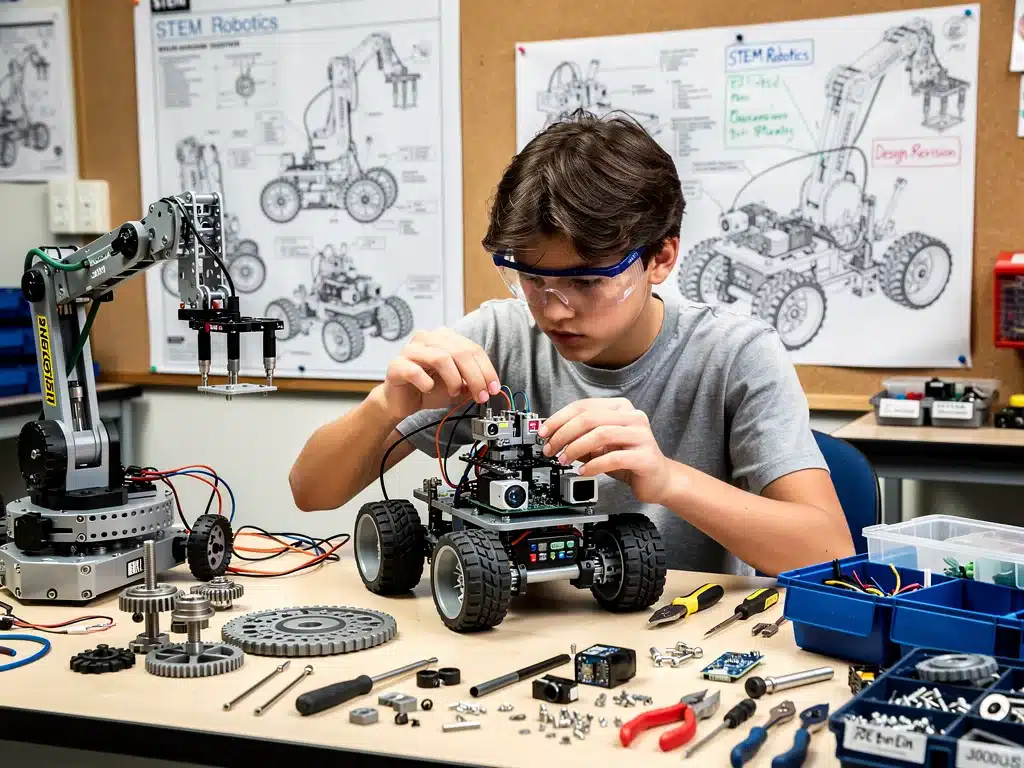
Creating dynamic and interactive learning spaces is paramount for captivating young minds. These environments often utilize technology, such as virtual reality field trips or interactive simulations, to bring abstract concepts to life.
They move beyond rote memorization, encouraging exploration and discovery. The shift towards project-based learning allows students to apply STEM principles to real-world problems.
This approach not only deepens understanding but also demonstrates the practical relevance of STEM subjects. Such engaging methods are key to Boosting STEM Enrollment effectively.
- Robotics clubs and competitions foster teamwork and engineering skills.
- Coding workshops introduce computational thinking at an accessible level.
- Science camps offer immersive experiences during school breaks.
- Makerspaces provide tools for creative problem-solving and invention.
Curriculum Innovation and Modernization
Modernizing STEM curricula is a core component of the strategy to attract and retain students. Traditional teaching methods are being re-evaluated and updated to reflect current industry demands and technological advancements. This ensures that what students learn is relevant and prepares them for future careers.
Educational institutions are developing interdisciplinary courses that blend different STEM fields, such as bioinformatics or mechatronics.
This approach highlights the interconnectedness of scientific disciplines and offers students a broader perspective. Such innovative curricula are vital for Boosting STEM Enrollment.
Furthermore, there is a strong emphasis on incorporating data science and artificial intelligence into various STEM subjects, even at the high school level.
Equipping students with these cutting-edge skills makes STEM careers more appealing and prepares them for the evolving job market. This forward-thinking approach is critical.
Integrating Real-World Applications
Connecting classroom learning to real-world applications motivates students by demonstrating the tangible impact of STEM. Guest speakers from industry, field trips to research labs, and internships provide invaluable insights into professional STEM careers.
These experiences make the subjects more relatable and inspire greater commitment. Case studies and problem-based learning scenarios allow students to tackle challenges similar to those faced by professionals.
This not only enhances their technical skills but also develops their critical thinking and problem-solving abilities. This practical focus is instrumental in Boosting STEM Enrollment.
- Industry partnerships offer mentorship and internship opportunities.
- Project-based learning addresses societal challenges using STEM.
- Simulations and virtual labs provide realistic experimental environments.
- Guest lecturers share career paths and industry insights directly.
Teacher Training and Professional Development
The quality of STEM education is directly linked to the preparedness and enthusiasm of its educators. Investing in comprehensive teacher training and ongoing professional development is therefore a critical strategy. This ensures that teachers are equipped with the latest pedagogical techniques and subject matter knowledge.
Programs are being implemented to support teachers in integrating new technologies and innovative teaching strategies into their classrooms.
This includes training on coding, robotics, and data analysis tools, enabling them to effectively deliver modern STEM content. Such support is crucial for Boosting STEM Enrollment.
Additionally, efforts are underway to recruit and retain highly qualified STEM teachers, often through incentives and professional growth opportunities.
A strong and well-supported teaching force is fundamental to fostering student interest and success in these fields. This commitment to educators underpins all other initiatives.
Addressing Diversity and Inclusion in STEM
A key aspect of Boosting STEM Enrollment involves actively addressing issues of diversity, equity, and inclusion. Historically, certain demographic groups have been underrepresented in STEM fields.
Targeted interventions are now being implemented to ensure that all students, regardless of background, feel welcome and supported.
Mentorship programs and role models from diverse backgrounds are being introduced to inspire students who may not see themselves reflected in current STEM professions.
These initiatives provide crucial encouragement and guidance, helping to break down perceived barriers. This inclusive approach is vital for long-term growth.
Furthermore, institutions are reviewing their admissions processes and classroom environments to eliminate unconscious biases and create more equitable opportunities.
This holistic approach aims to create a STEM community that truly reflects the diversity of the nation. Promoting equity is central to successfully Boosting STEM Enrollment.
Targeted Outreach Programs
Specific outreach programs are being designed to engage underrepresented groups, including women, minorities, and students from low-income backgrounds.
These programs often partner with community organizations to reach students who might otherwise lack exposure to STEM opportunities. The goal is to level the playing field.
Scholarships, grants, and financial aid specifically for STEM students from diverse backgrounds are also being expanded.
Removing financial barriers can significantly increase access and encourage participation in higher education STEM programs. These targeted efforts are essential for Boosting STEM Enrollment.
- Mentorship by diverse STEM professionals inspires and guides students.
- Scholarship programs reduce financial barriers for underrepresented groups.
- Community partnerships extend STEM learning to broader audiences.
- Inclusive classroom practices ensure all students feel supported and valued.
Industry Partnerships and Workforce Alignment
Collaborations between educational institutions and industry partners are becoming increasingly vital. These partnerships ensure that STEM curricula are aligned with current and future workforce needs. This direct connection helps students understand career pathways and the skills required for success.
Many companies are investing in educational programs, offering resources, expertise, and internship opportunities. These collaborations provide students with practical experience and expose them to professional environments. Such real-world exposure is a powerful motivator for Boosting STEM Enrollment.
The insights gained from industry partners help shape curriculum development, ensuring that graduates possess the competencies employers seek.
This alignment between education and industry is a win-win, preparing students for jobs while providing companies with a skilled talent pool. This strategic cooperation is accelerating progress.
Internship and Apprenticeship Opportunities
Providing robust internship and apprenticeship opportunities is a direct and effective way to bridge the gap between academic learning and professional practice.
These programs offer hands-on experience, allowing students to apply their knowledge in real-world settings. They are crucial for career readiness.
These experiences often lead to job offers upon graduation, making STEM careers more tangible and appealing. Companies benefit from fresh perspectives and a chance to evaluate potential employees. These programs are a cornerstone of efforts aimed at Boosting STEM Enrollment.
Many programs offer stipends or academic credit, making them accessible to a wider range of students. The practical skills and professional networks developed during these opportunities are invaluable for future career success. This practical application solidifies student commitment.
Government Initiatives and Funding
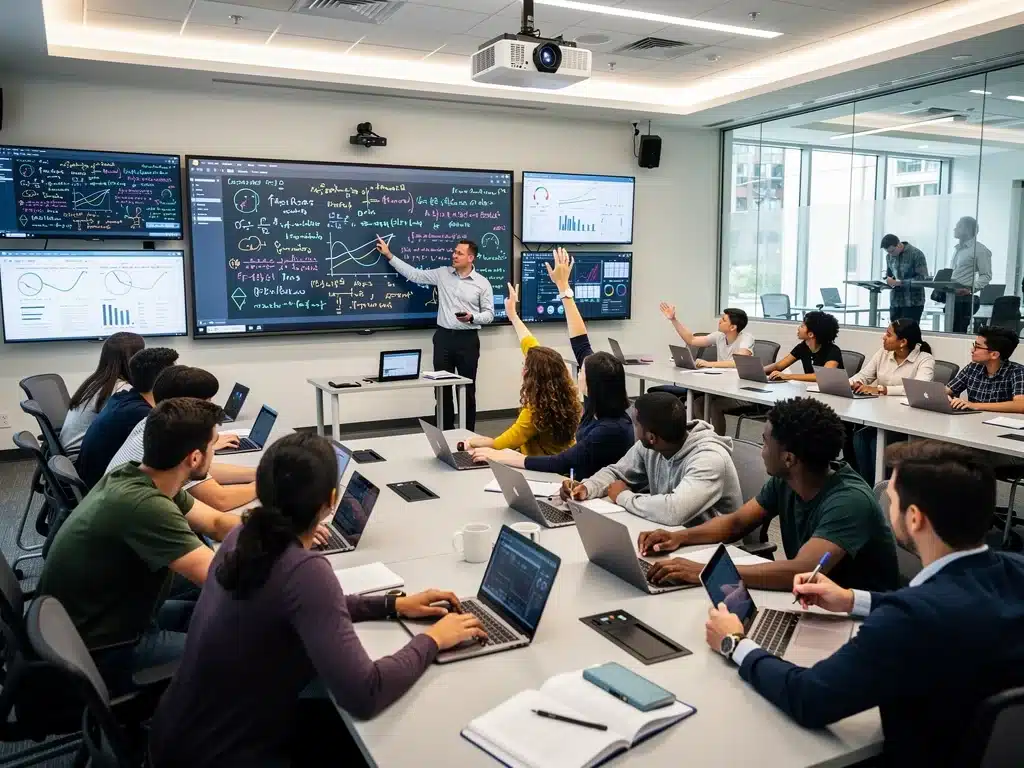
Government support, both at federal and state levels, plays a significant role in Boosting STEM Enrollment. Various agencies are allocating substantial funding towards STEM education programs, research initiatives, and scholarships. This financial backing is critical for implementing large-scale changes.
Policy reforms are also being enacted to streamline educational pathways and encourage greater participation in STEM. These policies often focus on improving educational standards, fostering innovation, and addressing systemic barriers to access. Such governmental backing provides a strong foundation for growth.
Federal grants and competitive programs incentivize schools and universities to develop and expand their STEM offerings. This creates a supportive ecosystem for educational innovation and encourages institutions to prioritize STEM development. This sustained investment is essential for achieving national goals.
Measuring Progress and Future Outlook
Accurately measuring the impact of these strategies is crucial for assessing progress towards the 15% increase in student interest by 2026.
Data collection and analysis are ongoing, tracking enrollment figures, student retention rates, and career placement outcomes. These metrics provide valuable insights into what is working and what needs adjustment.
Regular evaluations and feedback loops allow programs to be refined and improved continuously. This iterative process ensures that resources are allocated effectively and that interventions remain relevant and impactful. Transparency in reporting helps maintain accountability across all stakeholders in Boosting STEM Enrollment.
While challenges remain, the current trajectory suggests a positive outlook for achieving the ambitious goal. Continued collaboration, innovative approaches, and sustained investment are expected to drive further gains.
The commitment to Boosting STEM Enrollment reflects a national imperative to secure a skilled workforce for the future. The future looks promising.
| Key Strategy | Brief Description |
|---|---|
| Early Engagement | Hands-on activities and interactive programs for young students. |
| Curriculum Innovation | Modernizing courses with interdisciplinary and real-world applications. |
| Teacher Development | Training and support for STEM educators in new methodologies. |
| Industry Partnerships | Collaborations for internships and workforce-aligned education. |
Frequently Asked Questions About Boosting STEM Enrollment
The main objective is to achieve a 15% increase in student interest in STEM fields by 2026. This initiative aims to strengthen the future workforce, enhance national competitiveness, and address the growing demand for skilled professionals in science, technology, engineering, and mathematics across the United States.
Early education programs are crucial by introducing STEM concepts through engaging, hands-on activities for younger students. These initiatives foster curiosity, demystify complex subjects, and build positive associations with STEM from an early age. This foundational work is essential for cultivating long-term interest and success.
Industry partnerships are vital for aligning STEM curricula with current workforce needs and providing students with real-world experience. Collaborations offer internships, mentorships, and insights into career pathways, making STEM more appealing and relevant. These connections bridge academic learning with professional practice, preparing students for successful careers.
Yes, significant efforts are focused on diversity, equity, and inclusion. Targeted outreach, mentorship programs, and scholarships aim to engage underrepresented groups, including women and minorities. The goal is to create a more inclusive STEM community and ensure that all students have equitable opportunities to pursue STEM careers, thereby Boosting STEM Enrollment.
Progress is measured through continuous data collection and analysis, tracking metrics such as enrollment rates, student retention, and career placements in STEM fields. Regular evaluations and feedback loops ensure that strategies are effective and resources are optimally allocated. This data-driven approach helps refine initiatives for Boosting STEM Enrollment.
Looking Ahead
The concerted national effort towards Boosting STEM Enrollment reflects a strategic investment in the future of the American workforce and economy.
The ongoing implementation of diverse strategies, from early childhood engagement to advanced industry partnerships, signifies a holistic approach.
Continued monitoring of these initiatives and their impact will be crucial as the 2026 target approaches. This sustained commitment is poised to yield a more skilled, innovative, and competitive nation.