Emergency Fund Benchmark: 6 Months Fixed Expenses vs. 12
Advertisements

An emergency fund benchmark of six months of fixed expenses can provide a practical balance between liquidity and long-term financial growth. It offers protection without keeping excessive cash idle.
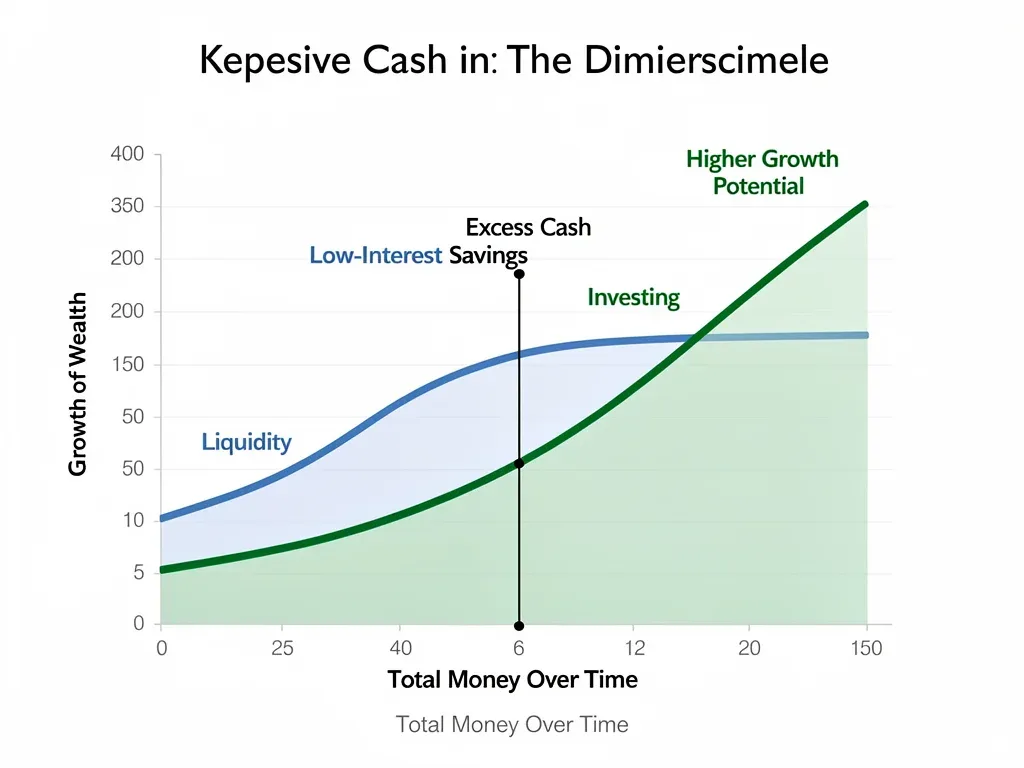
Holding twelve months of expenses may provide more security, but it can also increase opportunity costs. Excess cash may lose purchasing power while remaining outside higher-growth investments.
The ideal emergency fund still depends on income stability, family needs, health, and personal risk tolerance. The benchmark should therefore serve as a guide rather than a rigid rule.
The Shifting Landscape of Financial Preparedness
Traditional financial advice often recommends maintaining between six and twelve months of expenses in emergency savings. Changing economic conditions have encouraged a closer review of this range.
Inflation and interest rates can affect the real value of cash held in low-yield accounts. Keeping more money than necessary may reduce long-term financial efficiency.
A more focused emergency fund benchmark allows individuals to maintain protection while directing additional resources toward investments, debt reduction, or other goals.
Inflation and Opportunity Cost Considerations
Inflation can reduce the purchasing power of money that remains in cash for extended periods. This makes the size of an emergency fund benchmark particularly important.
The opportunity cost also matters because excess savings could potentially earn higher returns elsewhere. Liquidity provides security, but excessive liquidity can slow wealth accumulation.
This balance is especially relevant when inflation remains elevated. A six-month target can preserve emergency access while freeing additional capital for long-term financial planning.
Defining Fixed Expenses for Your Benchmark
Fixed expenses are essential monthly costs that continue even when income changes. These expenses form the foundation of an accurate emergency fund benchmark.
Housing, utilities, insurance, and minimum debt payments are common examples. Discretionary expenses such as entertainment or dining out are normally excluded.
Using only necessary expenses creates a more realistic savings target. This helps prevent the emergency fund from becoming unnecessarily large or difficult to build.
The Practical Advantages of a Six-Month Fund
A six-month emergency fund benchmark can provide substantial protection against income disruptions or unexpected expenses. At the same time, it preserves greater financial flexibility.
Once the target is reached, additional savings can be directed toward debt, retirement accounts, or diversified investments. This may improve long-term financial growth.
The six-month goal may also feel more achievable than saving a full year of expenses. A realistic target can make consistent saving easier to maintain.
Accelerated Debt Reduction and Investment
After reaching the six-month emergency fund benchmark, additional cash can be redirected toward high-interest debt. Lowering these balances can reduce future interest costs.
Once expensive debt is controlled, surplus savings can move into investments with greater long-term growth potential. This gives each additional dollar a clearer purpose.
The strategy transforms excess cash into a more active financial resource. Emergency protection remains intact while other financial goals receive greater attention.
Psychological Benefits and Attainability
Saving twelve months of expenses can feel overwhelming for many households. A six-month emergency fund benchmark may appear more realistic and easier to pursue.
Reaching that goal can create a strong sense of progress. This psychological benefit may encourage people to continue improving other areas of their finances.
Financial habits often depend on motivation as much as calculations. A reachable target can therefore support better consistency and long-term discipline.
Assessing Risk and Personal Circumstances
Although six months can work as a general emergency fund benchmark, personal circumstances should influence the final amount. Individual risk levels are rarely identical.
Job stability, health, dependents, and access to other financial resources can all affect how much emergency savings may be appropriate. Greater uncertainty may justify more cash.
The benchmark should therefore be adjusted according to personal vulnerabilities. The goal is adequate protection without creating unnecessary financial inefficiency.
Job Security and Industry Volatility
Workers in stable professions may feel comfortable maintaining a smaller emergency reserve. Those with irregular income or volatile employment may need additional protection.
The time required to find another job also matters. A specialized profession with limited openings may require a stronger cash cushion than a highly liquid labor market.
Understanding employment risk helps customize the emergency fund benchmark. Career conditions should be considered alongside monthly expenses.
Health and Family Considerations
Health conditions can significantly influence emergency savings needs. Ongoing medical expenses or special care requirements may justify a larger financial reserve.
Single-income households may also face greater exposure if the primary earner loses income. Dependents increase the importance of maintaining adequate liquidity.
These circumstances reinforce why the emergency fund benchmark should be personalized. Household responsibilities can change the amount required for genuine security.
Optimizing Your Emergency Fund Placement
After establishing the six-month emergency fund benchmark, choosing the right account becomes important. The fund should remain safe and easily accessible.
High-yield savings accounts can provide better interest rates than many traditional accounts while maintaining liquidity. This can help reduce inflation’s impact.
The primary purpose remains emergency access rather than aggressive growth. Account selection should therefore prioritize availability, safety, and reasonable returns.
High-Yield Savings Accounts (HYSAs)
High-yield savings accounts combine immediate access with higher interest rates than many conventional savings products. This makes them suitable for emergency reserves.
Funds remain liquid and can generally be withdrawn quickly when necessary. That accessibility aligns directly with the purpose of an emergency fund benchmark.
Comparing rates, fees, and account protections can help identify a suitable HYSA. Online banks often offer competitive options for emergency savings.
Considering Laddered CDs for a Portion
A CD ladder can be considered for savings that exceed the core emergency fund benchmark. It divides money across certificates with different maturity dates.
This structure can provide higher interest while still allowing periodic access to portions of the money. However, CDs are generally less liquid than savings accounts.
For this reason, the essential six-month reserve should remain readily accessible. CDs may be more appropriate only for excess funds beyond the immediate emergency target.
Beyond the Six-Month Benchmark: What to Do with Excess Funds
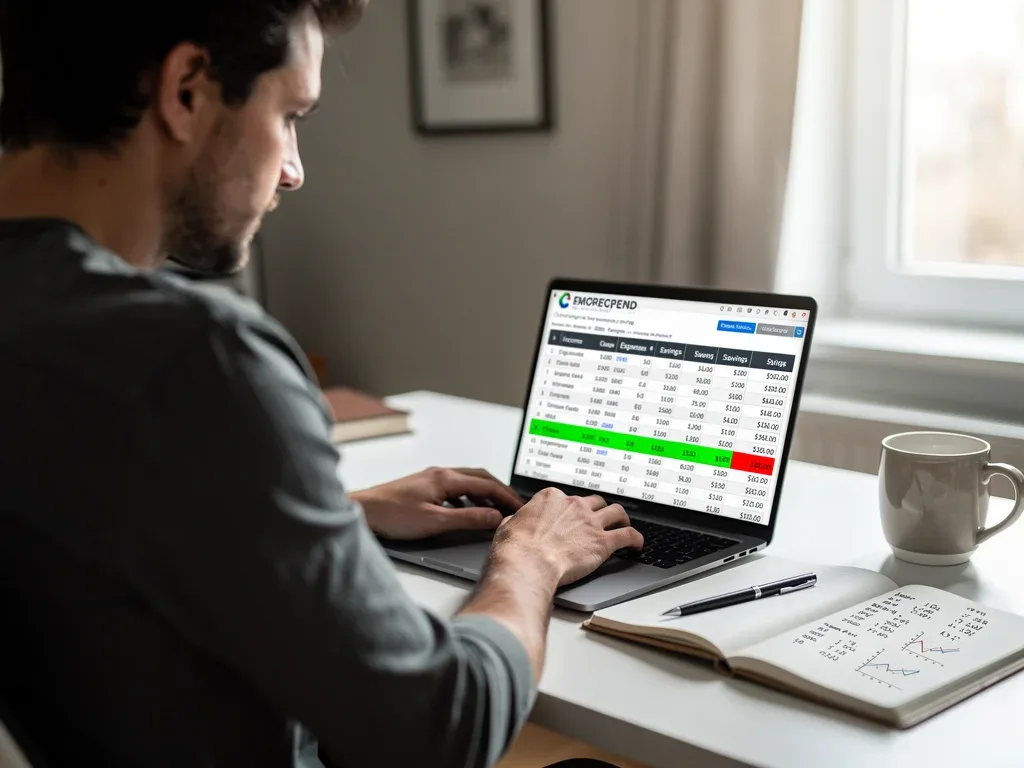
Once the six-month emergency fund benchmark is fully funded, additional cash can be directed toward other priorities. Keeping every extra dollar in cash may limit growth.
Retirement savings, education goals, investments, or home purchases are possible destinations. The best choice depends on individual objectives and financial conditions.
This transition helps money serve both short-term security and long-term wealth creation. The emergency fund remains intact while additional capital works elsewhere.
Investing for Long-Term Growth
After securing the emergency fund benchmark, surplus money can move into diversified investments. Stocks, real estate, and other assets may offer greater long-term growth.
Investment decisions should reflect time horizon and risk tolerance. Professional advice can also help align a portfolio with broader financial objectives.
The aim is to move excess capital from preservation toward growth. Compounding returns can become increasingly powerful over longer periods.
Paying Down Mortgage or Other Debts
Extra savings can also be used to reduce mortgage balances or other long-term debt. Lower principal can reduce total interest costs over time.
Debt reduction may also improve monthly cash flow and lower financial obligations. This can strengthen overall household resilience.
Once the emergency fund benchmark is secure, paying down debt can provide both financial and psychological benefits. The best approach depends on interest rates and personal priorities.
Regular Review and Adjustment of Your Fund
An emergency fund benchmark should be reviewed periodically because expenses and financial risks can change. A target that once worked may eventually become outdated.
Job changes, marriage, new dependents, or major purchases can alter monthly fixed costs. These events may require the emergency fund to increase or decrease.
An annual review can help ensure that savings remain aligned with current circumstances. Recalculating essential expenses keeps the benchmark practical and relevant.
Adapting to Life Changes
Marriage, children, or homeownership can increase monthly financial responsibilities. Each major change may require a new calculation of the emergency fund benchmark.
Higher expenses generally require a larger reserve to maintain the same number of protected months. Adjustments should happen as responsibilities evolve.
If fixed expenses decrease, excess emergency savings may become available for other goals. This flexibility helps maintain an efficient financial strategy.
Monitoring Economic Conditions
Economic conditions can also influence the ideal emergency fund benchmark. High inflation or job-market uncertainty may justify temporarily holding more liquidity.
A stronger economy and stable employment conditions may allow households to maintain a leaner reserve. Broader trends should be considered alongside personal circumstances.
Regular monitoring allows emergency savings to respond to changing risks. The fund becomes a dynamic tool rather than a permanently fixed amount.
Key Point | Brief Description |
|---|---|
Optimal Benchmark | 6 months of fixed expenses balances security and investment potential. |
Inflation Impact | Holding excessive cash can reduce real value through inflation and opportunity costs. |
Fund Placement | High-yield savings accounts combine liquidity with modest returns. |
Beyond Benchmark | Excess funds can be invested or directed toward debt reduction. |
Frequently Asked Questions About Emergency Funds
Why is 6 months often better than 12 months for an emergency fund benchmark?▼
A six-month emergency fund benchmark can provide strong protection while avoiding excessive cash holdings. Keeping twelve months may increase inflation and opportunity-cost concerns.
How do I calculate my fixed expenses for the emergency fund benchmark?▼
List essential monthly costs such as housing, utilities, insurance, and minimum debt payments. Exclude discretionary expenses that could be reduced during an emergency.
Where should I keep my emergency fund once I meet the benchmark?▼
A high-yield savings account can provide immediate access while earning more interest than many traditional savings accounts.
What should I do with money saved beyond the 6-month emergency fund benchmark?▼
Excess funds can be directed toward retirement accounts, diversified investments, high-interest debt, or other long-term financial priorities.
How often should I review my emergency fund benchmark?▼
Review the benchmark at least annually and after major changes in income, household structure, expenses, health, or employment conditions.
Impact and Implications
Reconsidering the emergency fund benchmark as six months of fixed expenses encourages a more balanced approach to household financial security. It protects liquidity while limiting excessive cash accumulation.
The strategy also allows additional money to support investment, debt reduction, or retirement planning. This can improve long-term financial efficiency without eliminating emergency protection.
The final amount should still reflect individual risks and responsibilities. Regular reviews help ensure the emergency fund continues to match both personal needs and economic conditions.